Critical notes on Korean drama premieres, ongoing series, and cult classics, read through their writing, direction, and the everyday worlds they show.
Three defining releases
Three dramas worth studying
Directing the pause
The director lets long silences hold the scene. Close framing turns a simple apartment conversation into a study of distance between two characters.
Motifs that return
Recurring objects such as umbrellas, letters, and train platforms carry the plot forward. Each return adds a new layer of meaning to the story.
Performances in the margins
Supporting actors often hold the emotional weight. Their small reactions in the background shape how the lead's choices land with viewers.
Regional filming
Set design and city atmosphere
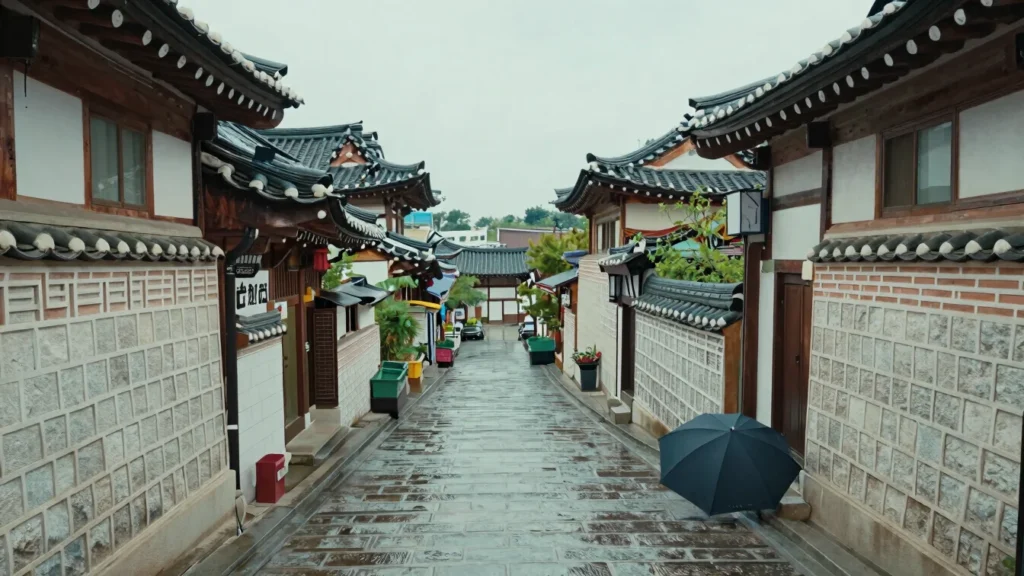
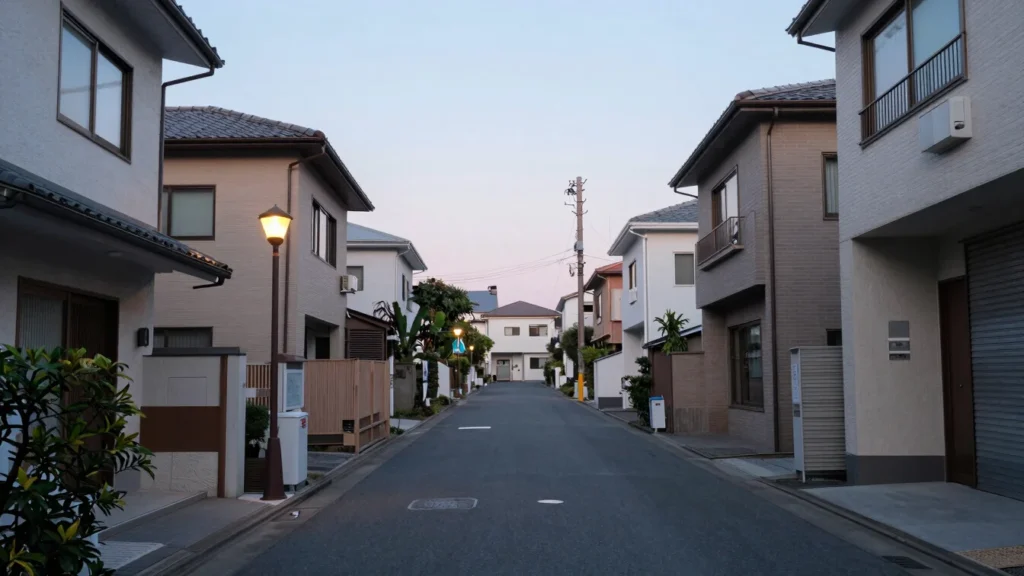
Modern Korean dramas often pair contemporary apartments with historic streets, so the setting itself carries class and memory. Filming choices in neighborhoods like these help viewers feel the rhythm of daily life.
Production designers tend to repeat palettes of wood, paper, and muted neon across episodes. That consistency makes each location feel like a chapter of the same story.