
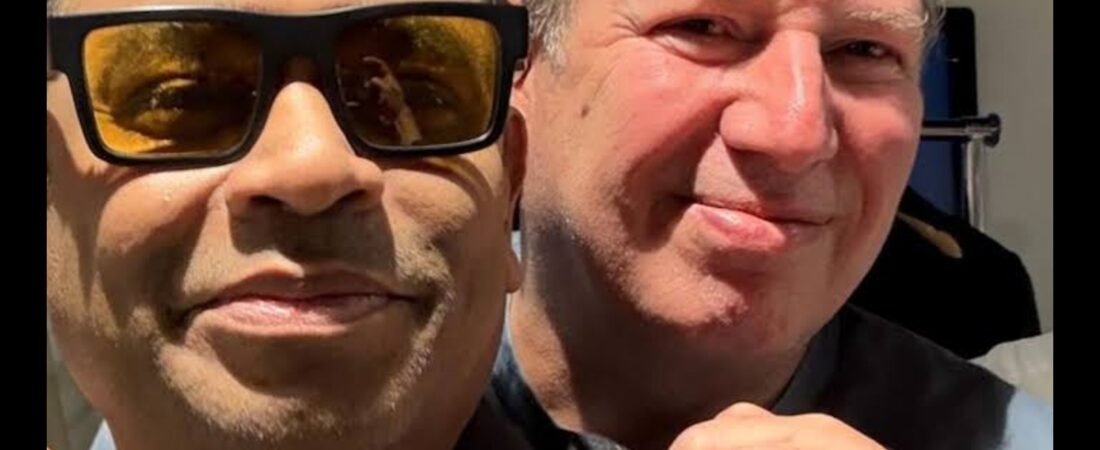
A.R. Rahman’s music for Nitesh Tiwari’s upcoming Ramayana: Rise of a Legend has become the subject of an online debate, with criticism ranging from perceived qawwali influences to questions about musical originality and cultural representation. While the controversy intensified following the release of Mangal Rang, the discussion had actually begun with an earlier soundtrack release.
With Ramayana: Rise of a Legend scheduled for a worldwide theatrical release on November 5, 2026, the discussion surrounding its music has become an important part of the film’s pre-release conversation. Directed by Nitesh Tiwari, the first instalment stars Ranbir Kapoor as Rama, Sai Pallavi as Sita and Yash as Ravana. The film features a soundtrack composed by A.R. Rahman in collaboration with Hans Zimmer.
Where did the controversy begin?
The initial criticism emerged after Ravana Tandav was unveiled. Some listeners questioned its musical treatment, particularly its electronic elements, arguing that the composition lacked the intensity they expected from a sequence centred on Ravana.
However, the debate took a different direction on October 25, 2026, when Mangal Rang was released. Sung by Arijit Singh and Shreya Ghoshal, with lyrics by Kumar Vishwas, the song celebrates the wedding of Lord Rama and Goddess Sita, portrayed by Ranbir Kapoor and Sai Pallavi.
Several listeners on X questioned its perceived qawwali and Sufi influences, comparing its musical arrangement and repeated chorus to Rahman’s earlier composition Kun Faya Kun from Rockstar. Some also drew comparisons with Aaj Rang Hai and his Tamil composition Enna Solla Pogirai.
Why did it become controversial?
The disagreement extends beyond musical preferences. Critics argued that a wedding song depicting Rama and Sita should draw more recognisably from the devotional and classical traditions they associate with the Ramayana. Some also questioned the portrayal of pre-wedding rituals in the music video, particularly the haldi sequence.
Others defended Rahman’s creative freedom, pointing out that ragas, rhythms and repeated refrains are not exclusive to any one musical tradition. A perceived resemblance to qawwali does not automatically make a composition a traditional qawwali.
Where do things stand now?
Rahman has addressed the criticism without apologising for his creative choices. In an interview with Screen, he described himself as his own first critic, explaining that compositions sometimes need months of consideration and that listeners should be patient before judging the larger musical vision.
He also quoted Steve Jobs: “If you want to satisfy everyone, go sell ice cream.”
At his November 1 Mumbai concert, Rahman reiterated that creative work should be reviewed and criticised, adding that time would ultimately determine its value.
As of November 2, the debate remains unresolved. There is no universally accepted verdict on the soundtrack, and the film has yet to reach audiences. What began as criticism of individual compositions has become a wider conversation about artistic freedom, cultural expectations and the responsibility of adapting a deeply revered epic for cinema.
- Avedon: What to Expect From Ron Howard’s Documentary on the Photographer Who Changed Fashion and Portraiture
- Ventilator 2: Why Priyanka Chopra Jonas Is Returning to the Marathi Film That Helped Shape Her Production Journey
- Campus Drivers: How a French College Romance Is Finding an International Audience on Prime Video
- From Possible Love to Haiwaan: Your Curated OTT Watchlist for the Week (November 2–8, 2026)
- Brad Pitt’s Cliff Booth Returns: A Familiar Pose, an Older Man and a Very Different Hollywood