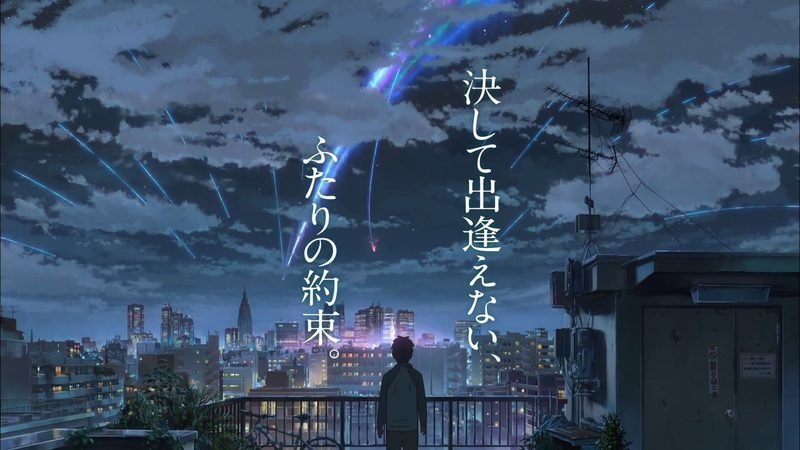
Your Name makes Tokyo look like a place remembered in fragments: a train platform, a crowded crossing, a set of stairs caught in the right light. For many viewers, it captures a particular feeling of Tokyo: familiar, fleeting and full of possibility. Of course, the anime takes inspiration from real locations, including the Suga Shrine stairs in Yotsuya. Visiting them can become a lasting memory. Make an effort to leave the place just as welcoming for the people who live there.
The Suga Shrine Stairs: Where the Story Comes Full Circle
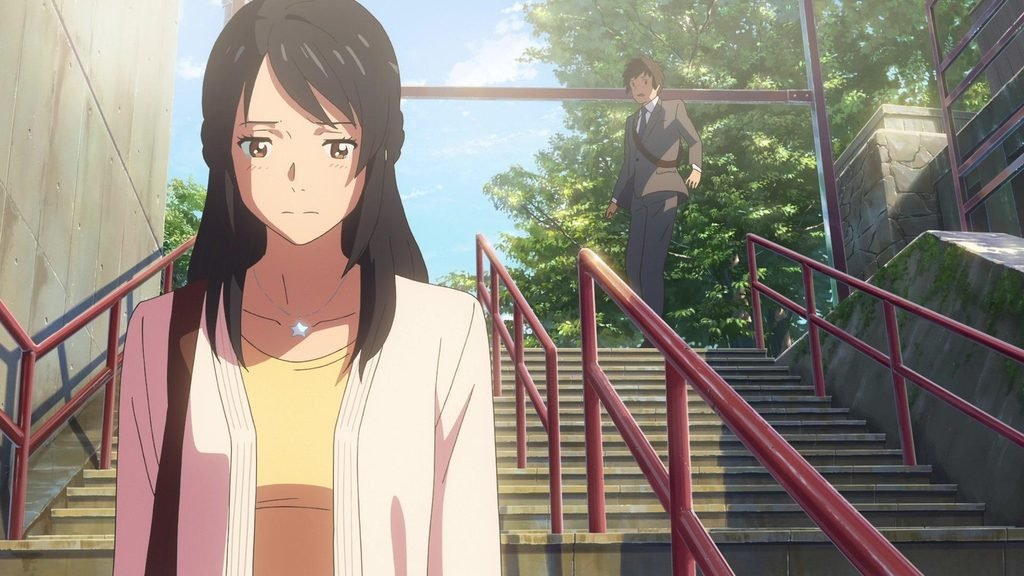
Visitors drawn to the iconic staircase often discover the quiet charm of Suga Shrine and its surrounding neighbourhood. The location’s popularity reflects the lasting impression Your Name has made on viewers, turning an ordinary corner of Tokyo into a place associated with a memorable moment in the film.While the now-famous Suga Shrine is a landmark in Japan, the steep outdoor staircase flanked by vibrant red handrails leading up to the shrine grounds became just as iconic thanks to the celebrated film, Your Name. Founded in the early Edo period and nestled within a quiet residential quarter of Yotsuya, the stairs are where adult Taki and Mitsuha finally cross paths, feel an instant connection and ask for each other’s names years after the comet incident. Beyond the scene itself, the location’s appeal lies in its ordinary details: a residential street, a shrine and the steady rhythm of daily life. Keep the visit brief and considerate, especially if others are using the steps.
Shinanomachi and Docomo Tower: Tokyo in Motion
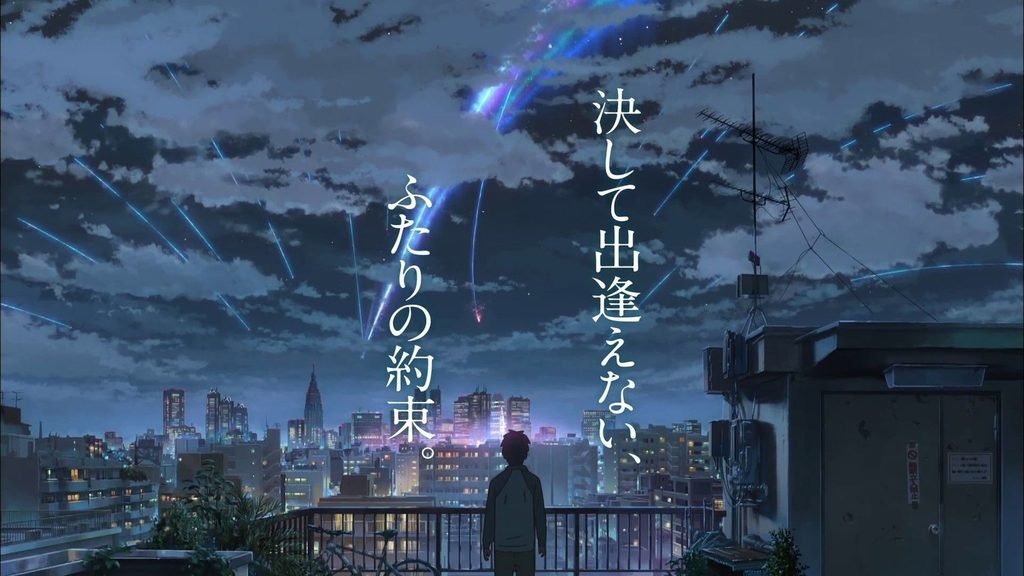
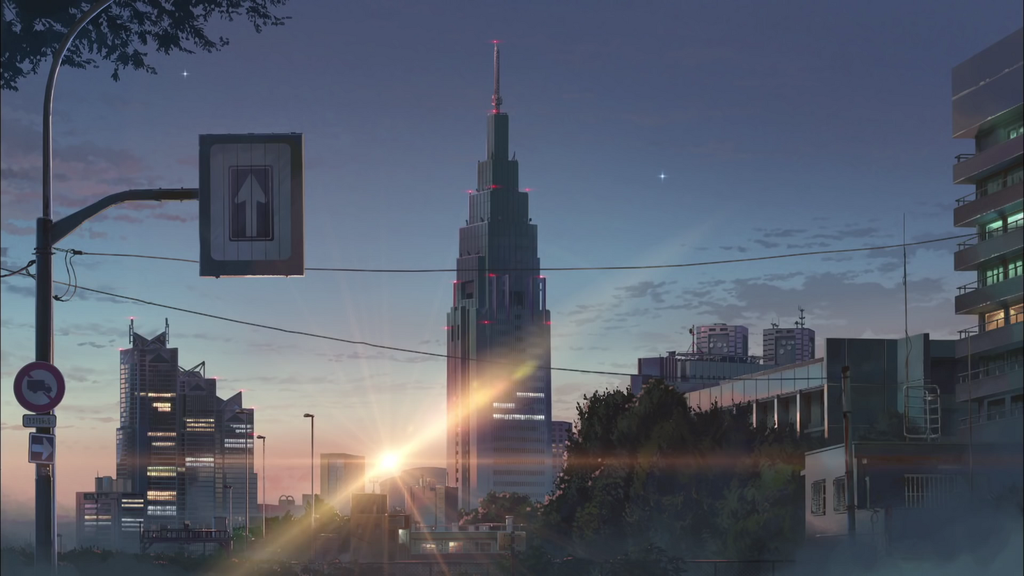
Located just one station away from Yotsuya on the JR Chuo-Sobu Line, Shinanomachi Station becomes a natural part of Taki’s everyday commute. The most memorable moment includes Taki’s anxious attempts to contact Mitsuha. The footbridge frames traffic passing along Gaien-Higashi-dori alongside streetlights and highway signs identical to the animation frames. Meanwhile, Docomo Tower (NTT Docomo Yoyogi Building) – Best spotted from the Shinanomachi pedestrian bridge, Meiji Jingu Gaien or the platforms of nearby JR stations – is a constant visual anchor in the film’s time-lapse and morning establishing sequences.
A nervous date from Yotsuya Station to The National Art Center
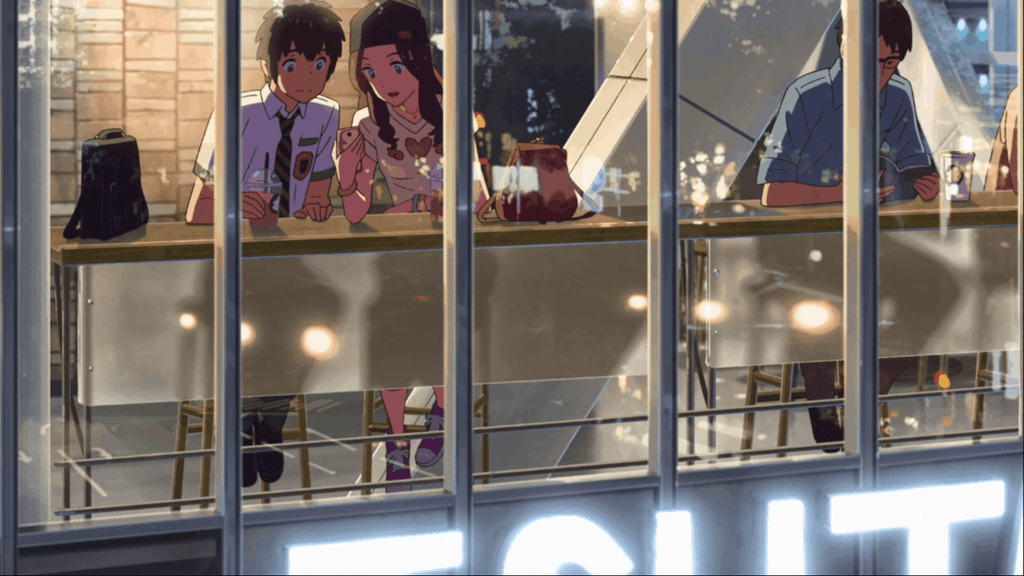
Serving as a major junction point connecting the JR Chuo-Sobu Line with the Tokyo Metro Marunouchi and Namboku lines, Yotsuya Station is the rendezvous point for Taki and his upperclassman coworker, Miki Okudera, ahead of their weekend date.
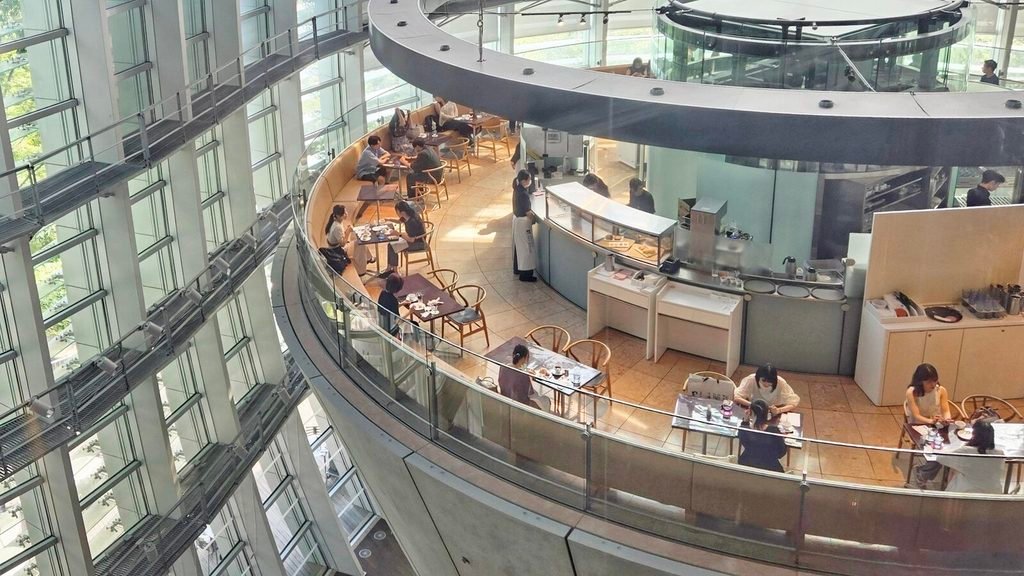
Instantly recognizable by its sweeping wave-like glass facade and slatted wooden louvers, The National Art Center in Tokyo’s Roppongi is visited by Taki and Okudera during the cultural leg of their afternoon date.
Café La Bohème: A Familiar Restaurant, Reimagined
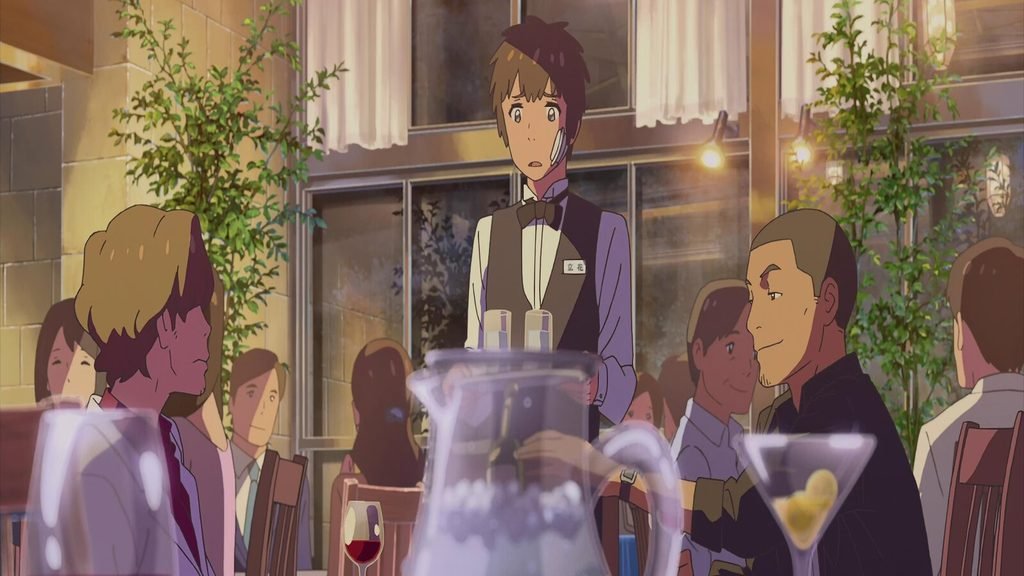
Café La Bohème Shinjuku Gyoen is the real-world model for the Italian restaurant Il Giardino delle Parole where Taki works part-time alongside Okudera. It is where Mitsuha (body-swapped into Taki) begins her chaotic first shift handling demanding patrons and kitchen rush hours.
Fun fact: The fictional name in the film playfully references Shinkai’s previous feature, The Garden of Words (Kotonoha no Niwa).
Shinjuku Station: Tokyo Beyond the Famous Stairs
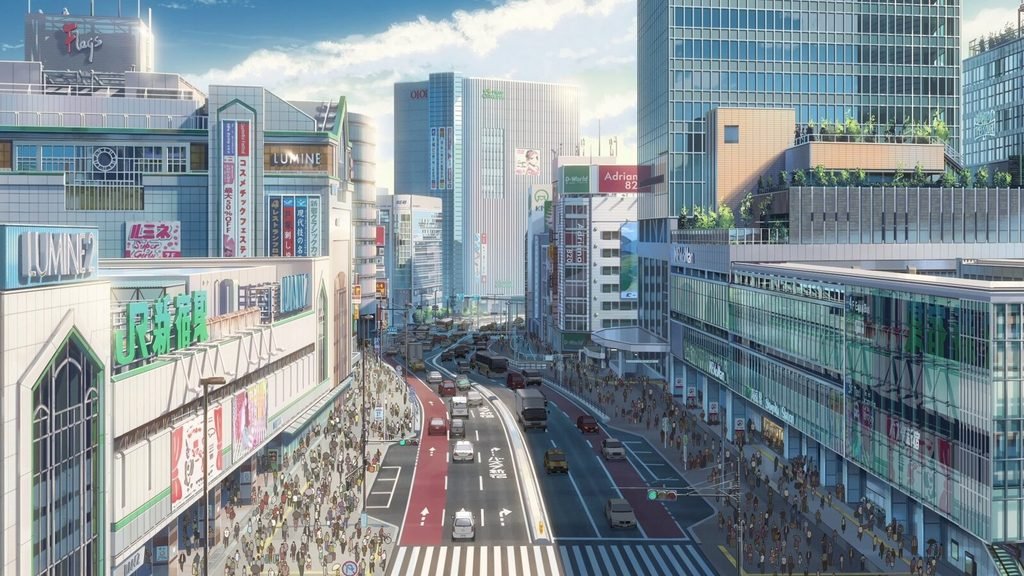
The Suga Shrine stairs may be the film’s most recognisable real-world reference, but Your Name also captures Tokyo through its busy stations, pedestrian bridges and towering buildings. Shinjuku Station’s South Exit offers another point of connection, evoking the cityscape seen when Mitsuha, in Taki’s body, steps out into the city. The surrounding streets and elevated walkways convey the scale and movement that make Tokyo such a vivid presence in the film.
Rather than treating every busy street or bridge as an exact match, look for the details that echo the film’s visual language: layered roads, passing crowds and buildings rising above the everyday commute.
Planning Your Your Name Location Visit
The Tokyo locations associated with Your Name are best approached as two connected clusters: the streets around Yotsuya, Shinanomachi and Shinjuku, and the date locations around Roppongi. You can explore the first group on foot, then use the metro to reach the second. Treat the route as a flexible guide rather than a race to recreate every frame.
Cluster 1: Yotsuya, Shinanomachi and Shinjuku
Start at Yotsuya Station. The station connects JR services with the Tokyo Metro Marunouchi and Namboku lines. From here, head towards Suga Shrine, checking your route and exit before setting off.
Visit the Suga Shrine stairs. The famous staircase sits beside the shrine precinct in a residential neighbourhood. Allow time to appreciate the setting, but keep the visit considerate: don’t block the stairs, entrances or driveways, and avoid photographing residents or looking into private homes.
Continue towards Shinanomachi Station. The pedestrian bridge near the station provides a useful viewpoint of the surrounding cityscape. The NTT Docomo Yoyogi Building is another recognisable feature of Tokyo’s skyline; admire it from public areas rather than expecting to enter the tower.
Make time for Café La Bohème Shinjuku Gyoen. The restaurant is a real dining venue, so plan this as a meal or coffee stop rather than a photo-only visit. Check its official website for current opening hours and service times.
Finish the cluster around Shinjuku Station. Its bridges, exits and busy streets offer a sense of the scale and movement that the film associates with Tokyo. Identify specific scene matches before describing an individual viewpoint as an exact recreation.
Walking distances and times will vary depending on your chosen exits, route and pace. Check a current map before travelling, and leave extra time for crossing busy roads and finding the right viewpoints.
Cluster 2: The Roppongi Date Locations
From Shinjuku, the Toei Oedo Line offers a direct route to Roppongi Station. From there, visit The National Art Center, Tokyo and continue to Roppongi Hills and Tokyo City View if you want the skyline experience.
The National Art Center’s building is open to visitors without an exhibition ticket, while individual exhibitions may charge admission. It is normally closed on Tuesdays, with exceptions for national holidays and related schedule changes. Check its official calendar before visiting.
Tokyo City View requires a paid ticket. Check the official site for current hours, admission and any weather-related or event-related changes. Tripods and monopods are prohibited inside the observation deck.
A Few Things to Remember
– Check opening hours, exhibition schedules and ticket requirements before leaving.
– Respect residents around Suga Shrine and keep pedestrian routes clear.
– Follow photography rules at shrines, stations, restaurants and observation decks.
– Distinguish confirmed film locations from places that simply evoke the film’s atmosphere.
– Leave room in your schedule to enjoy the neighbourhoods rather than rushing from one photograph to the next.
The point of visiting these places is not to collect every possible match. It is to see how an animated story can change the way you notice a real city—and to leave that city just as welcoming for the people who call it home.
A location is not a set
Anime can turn a familiar street into a place charged with memory, but the real street still belongs to the people who live and work there. Respect them and remember: avoid blocking entrances, climbing for a better angle or lingering where photography is discouraged. A little restraint makes room for a better kind of discovery: seeing how an imagined story and an everyday city can coexist.
Keep the day open

Rather than chasing every possible reference, choose one neighborhood and give it time. Notice the route between stations, the shift from a busy avenue to a quiet side street, and the city’s many small changes of scale. That is closer to the film’s emotional geography than collecting a string of snapshots.

Stories We Watch. Places We Discover.