
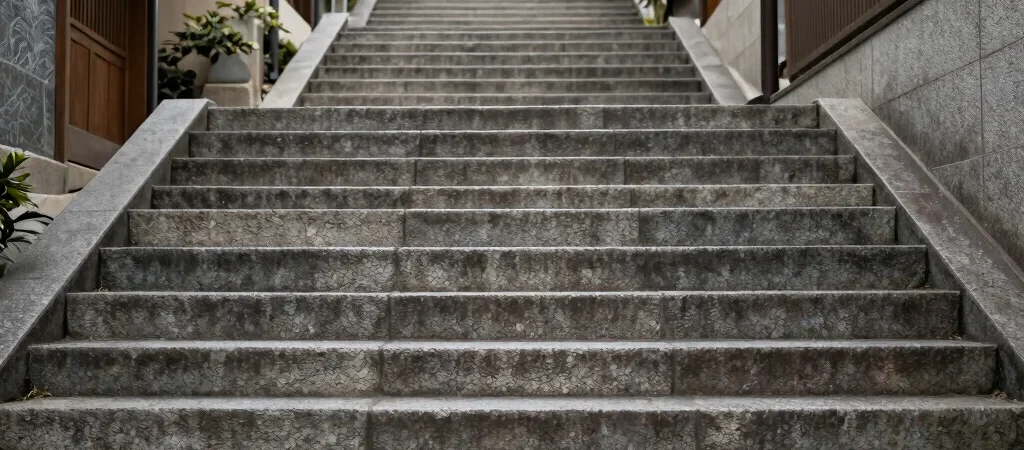
Your Name makes Tokyo look like a place remembered in fragments: a train platform, a crowded crossing, a set of stairs caught in the right light. Some of those images draw on real locations, including the Suga Shrine stairs in Yotsuya. Visiting them can be moving, but the neighborhood is not a set built for visitors.
Find the frame in Yotsuya
The stairs near Suga Shrine are the film reference many viewers recognize first. Their appeal comes from the ordinary details around them as much as the view itself: a residential street, a shrine, and the steady rhythm of daily life. Keep the visit brief and considerate, especially if others are using the steps.
Look beyond the famous stairs
The film’s city scenes also evoke the scale and motion of central Tokyo, where rail lines, glass towers, and busy crossings sit close together. Shinjuku is a useful place to feel that contrast, though it is a real transport and work district, not a themed extension of the movie. Step aside before taking photos and follow pedestrian signs at crossings.
A location is not a set
Anime can turn a familiar street into a place charged with memory, but the real street still belongs to the people who live and work there. Avoid blocking entrances, climbing for a better angle, or lingering where photography is discouraged. A little restraint makes room for a better kind of discovery: seeing how an imagined story and an everyday city can coexist.
Keep the day open
Rather than chasing every possible reference, choose one neighborhood and give it time. Notice the route between stations, the shift from a busy avenue to a quiet side street, and the city’s many small changes of scale. That is closer to the film’s emotional geography than collecting a string of snapshots.